Three moments that changed the story
- 1898Two elements
The search into radioactivity led to polonium and radium.
- 1911A second Nobel
Her chemistry work received a Nobel Prize of its own.
- 1914Science in motion
Mobile X-ray units carried an idea into wartime medicine.
Before the medals, a question the measurements would not let go
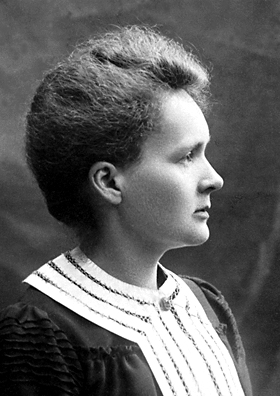
Born Maria Skłodowska in Warsaw in 1867, Curie continued her education in Paris. Working with Pierre Curie, she studied the radiation Henri Becquerel had discovered. The mineral pitchblende proved more radioactive than its uranium content could explain. Rather than treating the extra signal as a nuisance, the Curies pursued what it might mean.
Their investigations helped identify polonium and radium. Marie and Pierre shared the 1903 Nobel Prize in Physics with Henri Becquerel; Marie received the 1911 Nobel Prize in Chemistry for work involving those elements and radium. The two awards belong to different scientific contributions, not to a single instant of inspiration.
A Scorpio Sun is a metaphor, not an explanation
Curie was born on November 7. In the Western tropical zodiac that places the Sun in Scorpio, a sign traditionally associated with looking beneath the surface. It is an evocative image beside a scientist asking why a mineral produced more radiation than expected.
But the resemblance is an editorial comparison made after the facts. A zodiac sign cannot establish why she persisted, how the experiments worked, or what caused her achievements. Her discoveries are explained through evidence, collaboration, methods, and circumstances—not astrology.
The second chapter was not another prize
In 1906, after Pierre's death, Curie succeeded him as professor at the Sorbonne, becoming the first woman to hold that position. That transition matters more than a triumphant ending would suggest: the work had to continue while the conditions of her life changed.
When World War I began, she helped develop and deploy mobile X-ray units so clinicians could examine wounded soldiers closer to the front. Scientific expertise moved from the laboratory into an urgent, imperfect world. That choice does not fit neatly into a story about collecting honors; it gives her life a different kind of consequence.
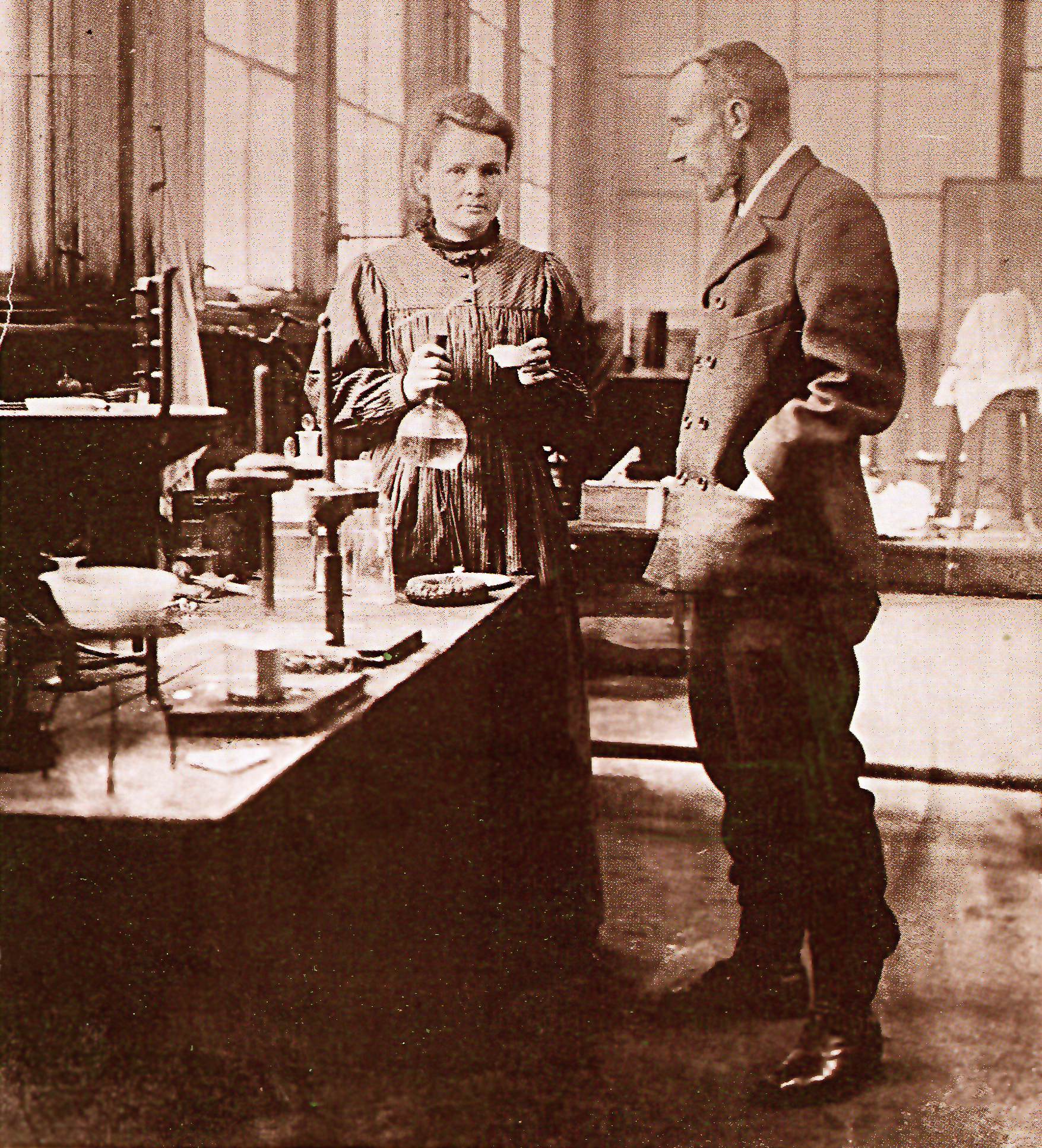
The awards became milestones. The questions and the work came first.
A legend is a story told backward
Looking back, we place 1903 and 1911 on a neat timeline and make a life seem inevitable. Living forward, Curie had no such timeline. She could only work with the evidence in front of her, revise what she thought she knew, and respond when the world changed.
Maybe the question is not how to become a legend. It is this: what important question deserves your patience even when nobody can promise that the work will be noticed?
Please share your thoughts..
DestinyU perspectives and readers’ published opinions appear together here.
Maybe the question is not how to become a legend. It is this: what important question deserves your patience even when nobody can promise that the work will be noticed?
The result is famous, but the willingness to keep checking a strange measurement is what interests me.
Curie's wartime work reminds me that knowledge can matter in ways a prize cannot measure.
I like the question of what deserves patience before anyone promises recognition.
Which part of your story are you exploring?
Try a free Western astrology reading as a symbolic perspective on your own birth details, not a prediction of success or a substitute for real evidence.
Explore my birth chartSources & details
Sources checked:
Biographical facts and award dates are sourced from NobelPrize.org, NIST and the Marie Curie charity. Only the date-stable tropical Sun sign is mentioned as a retrospective symbol. No exact birth time is claimed; no Moon, Ascendant, house or life outcome is inferred from a chart. Symbolism does not cause discovery, courage or public recognition.
Biographical details
- Birth date
- Birthplace
- Warsaw, then Russian Empire (now Poland)
- Birth time
- Not independently verified; this article adopts no exact birth time.